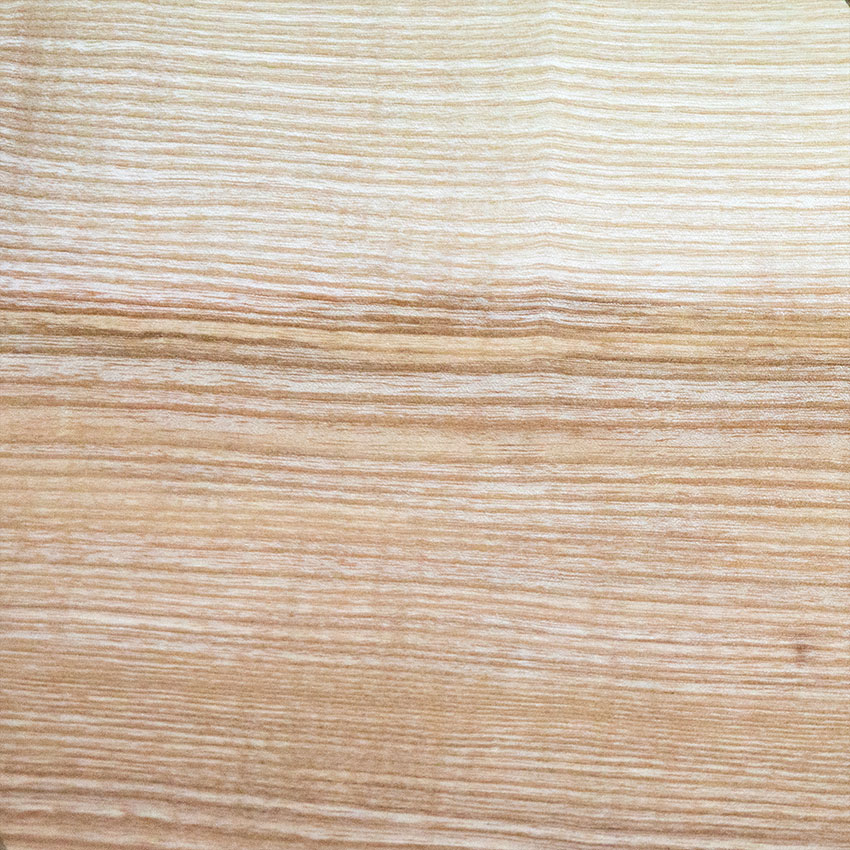
European Ash
Dynamic Contrast and Bright Structure
European Ash fascinates with its high-contrast and dynamic pore pattern. Its exceptional elasticity combined with high strength makes it ideal for modern design demands.
Aesthetics & Character
High-End Design Integration
Perfect for Japandi style and Scandinavian simplicity. Ash gives modernist spaces a fresh, vibrant energy and benefits particularly from indirect scattered light.
Spatial Impact
Appears modern, stimulating, and flooded with light. Ideal for minimalist designs (Japandi / Scandinavian style) and light-centric interior spaces.
Sustainability & Origin
FSC®-certified ash wood from local European mixed forests. Gently processed and naturally air-dried.
Technical Properties
Natural Acoustic Performance
The high elasticity and dense cell structure of European Ash make it an outstanding natural vibration and resonance dampener. Sound waves are evenly diffused by the bold grain patterns and geometric contours, resulting in clean, lively acoustics for modern lofts and wellness spaces.
Surface Finishing & Care
The expressively textured Ash timber requires great sensitivity during the final hand-sanding process. Varnish and light-pigmented natural oils keep the light, Scandinavian look intact and prevent yellowing. Maintenance: Dry dusting or a lightly damp cloth.
Comprehensive Material Science & Specifications
1. Material Overview & Botanical Character
European Ash (Fraxinus excelsior) is one of the heaviest and hardest native hardwoods, famous for its elasticity and toughness. With a Brinell hardness of 38 N/mm², ash surpasses even oak in hardness and impact resistance. The wood features a bold, large-pored structure with expressive grain patterns. For modern wall panels, ash provides lively dynamic movement. As a project counselor, DEKOSTYL recommends ash for designer layouts.
2. Origin & Sustainable Forestry
Our European Ash is harvested in sustainably managed European forests and transported under ecological regulations. Ash is a fast-growing hardwood, making it highly sustainable from an ecological perspective. Handcrafted production takes place in European workshops. Precise thermal conditioning stabilizes the timber, ensuring it responds well to interior climate adjustments.
3. Aesthetics & Grain Pattern Character
Ash wood is characterized by a light, yellowish-white to light-brown color spectrum. The brown heartwood elements are striking, giving the wood a contrast-rich grain pattern. The distinct growth rings create wavy, flowing lines on the surface, which generate high optical dynamics when carved into a 3D panel. Treated with white-pigmented wax, ash retains its fresh look.
4. Aging Process & Natural Patina
Natural untreated ash tends to darken under light exposure, taking on a yellowish tint. To prevent this and preserve its Scandinavian brightness, we treat our ash panels with UV-stabilized, lightly white-pigmented organic oils. This ensures the elegant light tone remains stable for decades, keeping the wood's fresh, modern look with minimal color shift.
5. Applications in High-End Architecture
Due to its extreme impact resistance, ash is ideal for heavy-traffic areas. Whether installed in corridors, contemporary children's rooms, commercial retail interiors, or Scandinavian-inspired wellness spas, ash brings brightness and positive energy. When used as an acoustic panel, the wood's elastic cell structure dampens sound waves, creating clear acoustics.
6. Comparison with Other Fine Hardwoods
In comparison, ash is harder than oak and significantly harder than walnut. Its grain pattern appears more active and dynamic than the calmer oak. While walnut represents classic darker elegance, ash embodies modern, minimalist lightness, making it perfect for contemporary, light-flooded design concepts with a Scandinavian touch.
7. Maintenance, Protection & Value Preservation
The sealed ash surface requires little care. Dust can be wiped away with a dry cloth. For damp cleaning, ensure the cloth is well-wrung to prevent standing water from settling into the deep pores of the wood. Use mild soaps and avoid abrasive cleaners. Refreshing the oiled surface is necessary only after several years of use and can be done with a soft cloth.
8. Frequently Asked Questions (FAQs)
Q: Is ash harder than oak? A: Yes. With a Brinell hardness of 38 N/mm², European Ash is harder and tougher than European Oak (34 N/mm²), making it highly resistant to impacts. Q: How do you prevent ash wood from yellowing? A: We finish the ash with a factory-applied, UV-stabilized, lightly white-pigmented oil. This blocks the natural yellowing process and preserves the bright Scandinavian tone. Q: Where does DEKOSTYL source its ash wood? A: Our ash wood is sourced from certified forestry in Central Europe (mainly Germany and Poland) and is handcrafted in European workshops.
Material Specification European Ash (Fraxinus excelsior)
European Ash, botanically Fraxinus excelsior, is the heaviest, toughest, and hardest native hardwood in our curation for architectural wall systems. With a Brinell hardness of 38 N/mm², ash even surpasses oak in terms of surface strength. Its raw density is approx. 0.69 g/cm³. The outstanding physical properties of ash are its immense toughness and elasticity. These make it extremely impact and vibration resistant, which is why it is excellent for relief wall structures that must withstand high physical demands.
The Swelling and Shrinking Behavior of Ash Wood
The differential shrinkage of ash is approx. 0.38% tangentially and approx. 0.21% radially per 1% change in moisture. This means that ash exhibits greater dimensional changes during fluctuations in humidity than oak or walnut. It "works" more noticeably. To counteract this behavior, the ash wood undergoes precise and gentle kiln drying before processing. The moisture content is stabilized at a constant 8%. When installing our ash panels, we ensure adequate expansion joints in the edge areas to give the natural movement of the wood sufficient leeway during seasonal fluctuations in room humidity.
Optical Dynamics: The Brown Heart and growth Ring Structure
Ash wood is known for its high-contrast look. In addition to the very light, yellowish-white sapwood, ash forms a striking, darker brown heartwood (heartwood) as it ages. This two-tone coloration creates a lively pattern with wavy streaks and stripes on the panel surface. This wavy pattern brings strong visual dynamics to the room, which is further enhanced by the three-dimensional surface milling. Ash is perfect for modern, light-flooded rooms and Scandinavian-inspired interior concepts.
Surface Protection and Prevention of Yellowing
Untreated ash wood tends to darken and yellow significantly under UV radiation. To prevent this effect and permanently preserve the noble, light appearance, the ash panels are finished at the factory with a specially formulated, lightly white-pigmented hard-wax oil. This finish contains microfine, white pigments and UV filters that block the natural yellowing of the wood. The wood retains its fresh, Scandinavian character and its open-pored feel. Cleaning is carried out simply dry or with a slightly damp cloth.
Usage in Design-Oriented Spa and Wellness Environments
Due to its high impact resistance and hardness, ash is predestined for areas where brightness and durability play a role. In modern spa and wellness areas, exclusive bathrooms, or relaxation rooms, light ash conveys a clean, energizing atmosphere. In combination with effective moisture protection (open-pore hard-wax oils), it effortlessly defies fluctuations in humidity. The dynamic structure of the ash stimulates the senses and gives walls an almost sculptural movement. It harmonizes perfectly with natural stone tiles, light textiles, and glass elements, bringing the feeling of a fresh, nordic forest directly into high-end interior design. Thanks to the light coloring, incoming light is optimally reflected, making smaller rooms appear much larger and more open. This creates a sublime feeling of space, characterized by clarity and natural tranquility.
Long-Term Care and Value Retention of Light Ash
The care of European ash focuses primarily on preserving its noble, light color tone. Since light wood is more sensitive to dirt stains and water rings, spilled liquid on ash surfaces should always be wiped up immediately. For regular cleaning, a soft cloth or a slightly dampened rag is sufficient. If necessary, a mild wood cleaner developed specifically for naturally oiled surfaces can be used. To refresh the protective layer after a few years, we recommend using a colorless or slightly white-pigmented maintenance oil. This restores the dirt-repellent property, cares for the elastic fiber structure, and permanently preserves the characteristic, Scandinavian brightness. To prevent grey film or staining, it is highly advisable to avoid leaving wet objects on the surface for extended periods. The ash will reward you for this simple attention with a flawless, radiant aesthetic that captivates observers for generations.
Haptic Sampling
Have a custom Ash material sample sent to you and feel the expressive, bold grain and bright, welcoming warmth of this highly elastic hardwood.