When Walls Breathe and Glow: 6 Insights into the Future of Wooden Light Design
Overcoming the Sterile Surface
In contemporary interior design, we often encounter a cold paradox: we strive for minimalist clarity, yet create spaces that lack tactile resonance and emotional depth. Sterile lighting solutions and flat wall designs often feel limiting rather than animating. The curatorial challenge of today lies in reconciling the technological precision of modern LED systems with the organic anachronism of natural wood. How can lighting be directed so that technology does not appear as a foreign body, but as the soul of the material? The "DESIGNED TO GLOW" collection by FORM AT WOOD provides a path-breaking answer to this, transforming the wall from a passive barrier into a glowing sculpture.
The Aesthetic Tension Between Craftsmanship and High-Tech
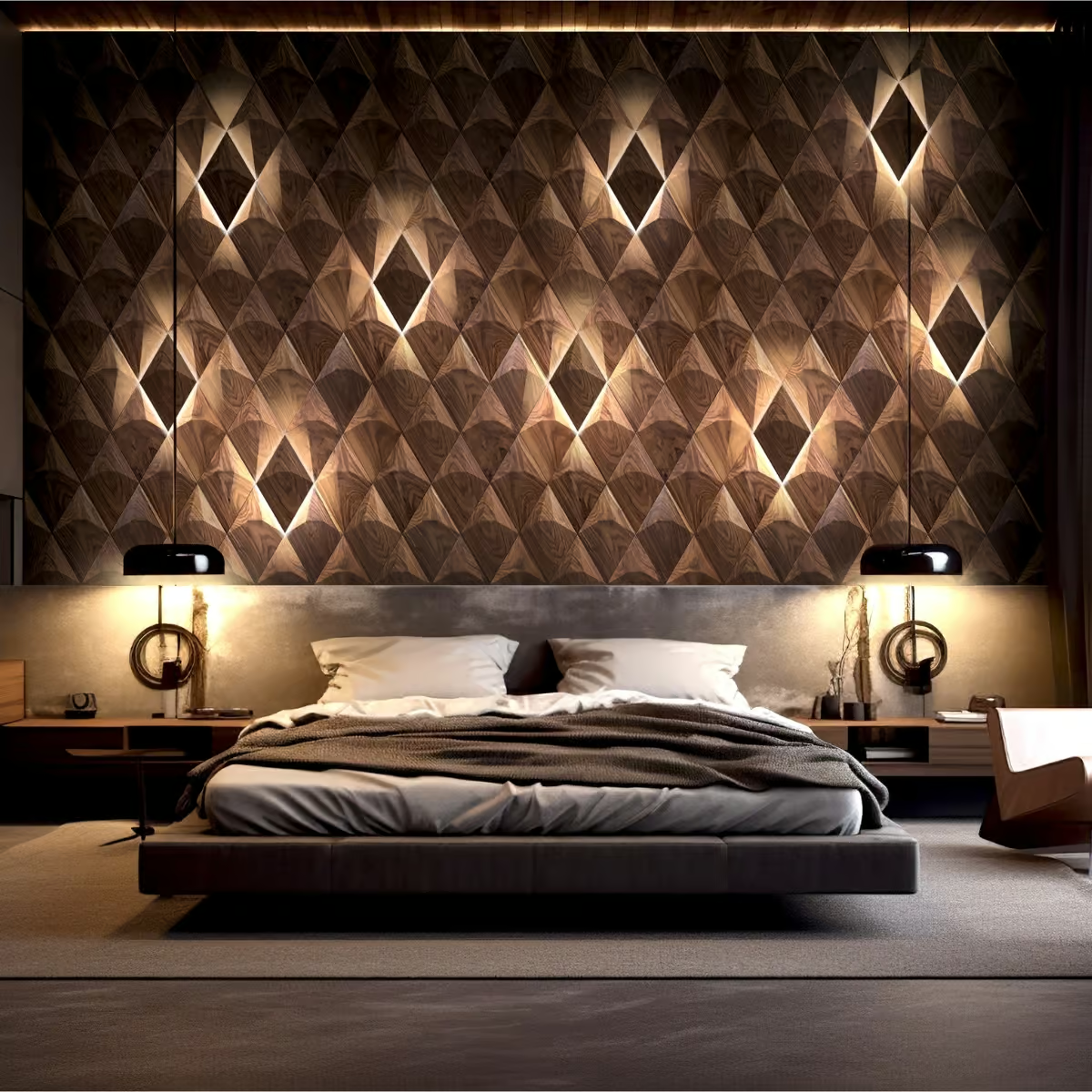
True design happens where opposites form a symbiosis. When solid, high-end woods like ash, oak, or American walnut meet high-efficiency LED COB strips, it does more than just illuminate. COB technology guarantees a perfectly uniform light line, showing no individual dots. This technological perfection emphasizes the archaic grain of the wood and lends a dramatic plasticity to the surface structure. It is the enhancement of materiality through the precision of light.
“Light reflections on three-dimensional natural wood enrich its surface shadings and generate a regenerative power for hectic everyday life.”— Edmond Chiu
The Curated Design Breaks the Rigid Grid
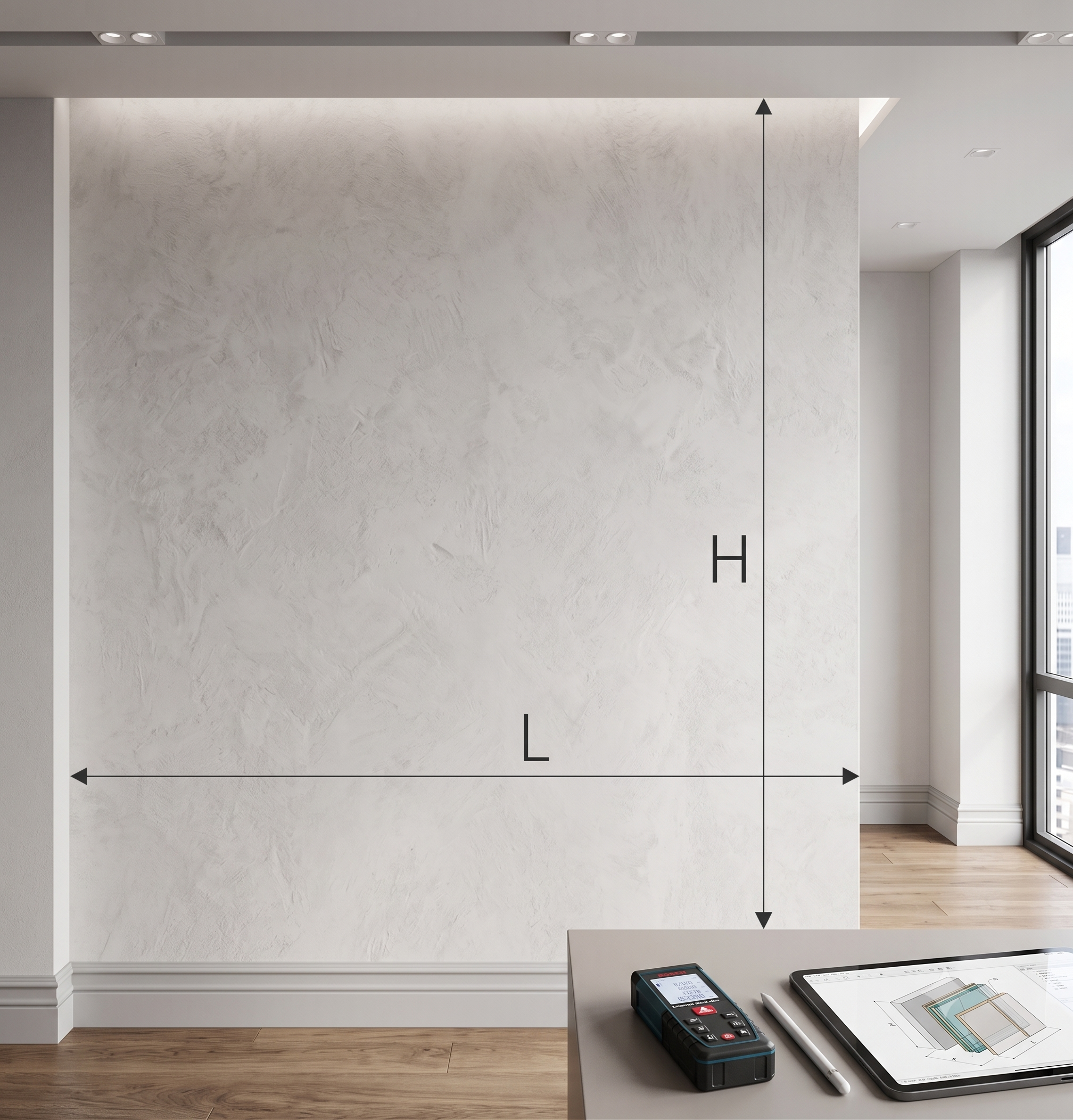
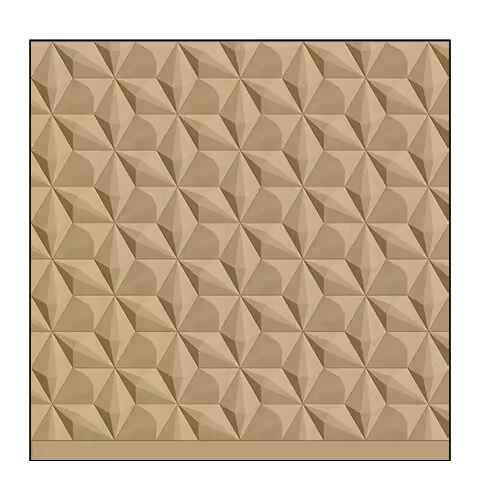
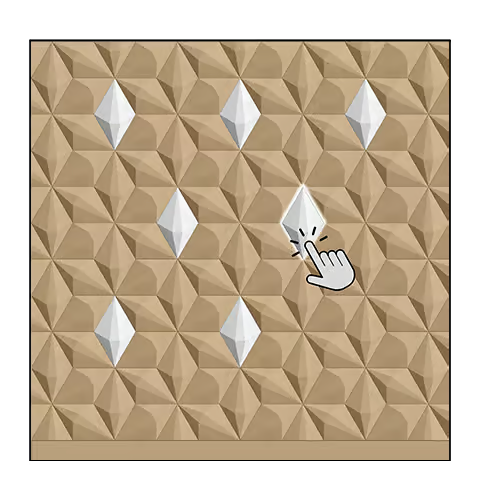
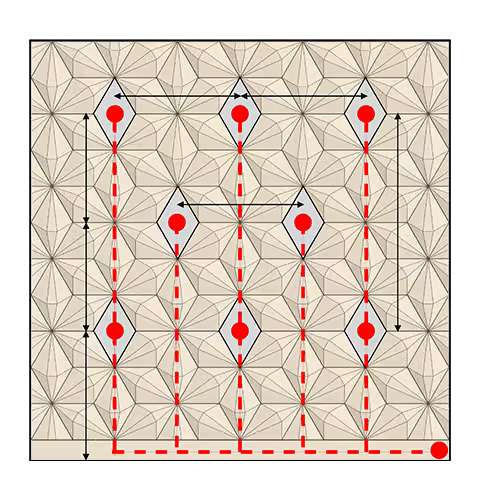
Modern architecture demands radical individualization. The system breaks with the convention of pre-fabricated luminaire modules and offers instead a tectonic freedom realized in a five-step process. Once the customer defines the dimensions (Step 1) and chooses from the portfolio (Step 2), they determine the exact position of the lighting elements (Step 3). The decisive high-end aspect follows in close collaboration with the designers: they create a custom wiring plan (Step 4) and a professional visualization (Step 5). This process transforms the client from a consumer to a co-designer of their own light architecture.
The Geometry of Light Creates Tectonic Depth
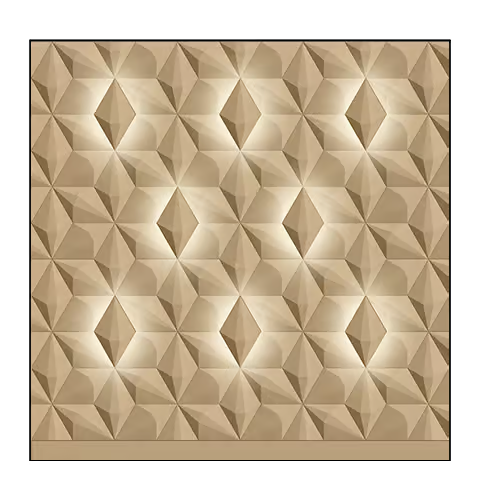
Light needs shadow to generate form. The integration into collections like EDGE, SMOOTH, or FLAT uses basic geometric shapes—triangles, rhombs, squares, or hexagons—to define the rhythm of a room. Technically speaking, the FLAT series panels reach a total depth of 30 mm with light integration. With 3D variants, the LED components add another 15 mm to the standard depth. This extra dimension creates a diffuse light refraction and an architectural depth effect that changes with the angle of natural daylight, making the wall a dynamic actor in the space.
Light Color as an Instrument of Living Psychology
Light is much more than a functional tool; it is a regulator of our well-being. The ability to infinitely adjust the color temperature between 2700K (warm white) and 6500K (cool white) allows for a light direction that supports the circadian rhythm of the resident. While cool light promotes concentration during the day, warm nuances in the evening create a space for regeneration. The stepless intensity control via app or remote control turns the wall into an atmospheric instrument that transforms the mood of the room at the touch of a button.
The Democratization of High-End Interiors
One of the most surprising insights is the technological accessibility of this system. It resolves the contradiction between complex lighting design and simple execution. FORM AT WOOD offers two ways: professional installation with hidden wiring for new construction, coordinated via the designer-side wiring plan, or the DIY-friendly plug-and-play version. The latter allows for excellent results using a 24V transformer without construction chaos or specialized tools—a true democratization of exclusive design.
“The products are of top quality and easy to process. I look forward to installing them again for my clients.”— Roman Brunner, Vierzueins Design (Interior Engineering Office)
The New Chapter of Spatial Perception
In summary: The future of interior design lies in dissolving the boundaries between material, art, and function. When wood panels no longer just limit the space but actively illuminate it, our perception of architecture changes fundamentally. The wall breathes through the play of shadow and light; it becomes a carrier of emotion and technical excellence.
If our walls no longer represent a physical boundary, but simultaneously function as a primary light source and an aesthetic work of art—how will this redefine the way we perceive comfort and security within our own four walls?